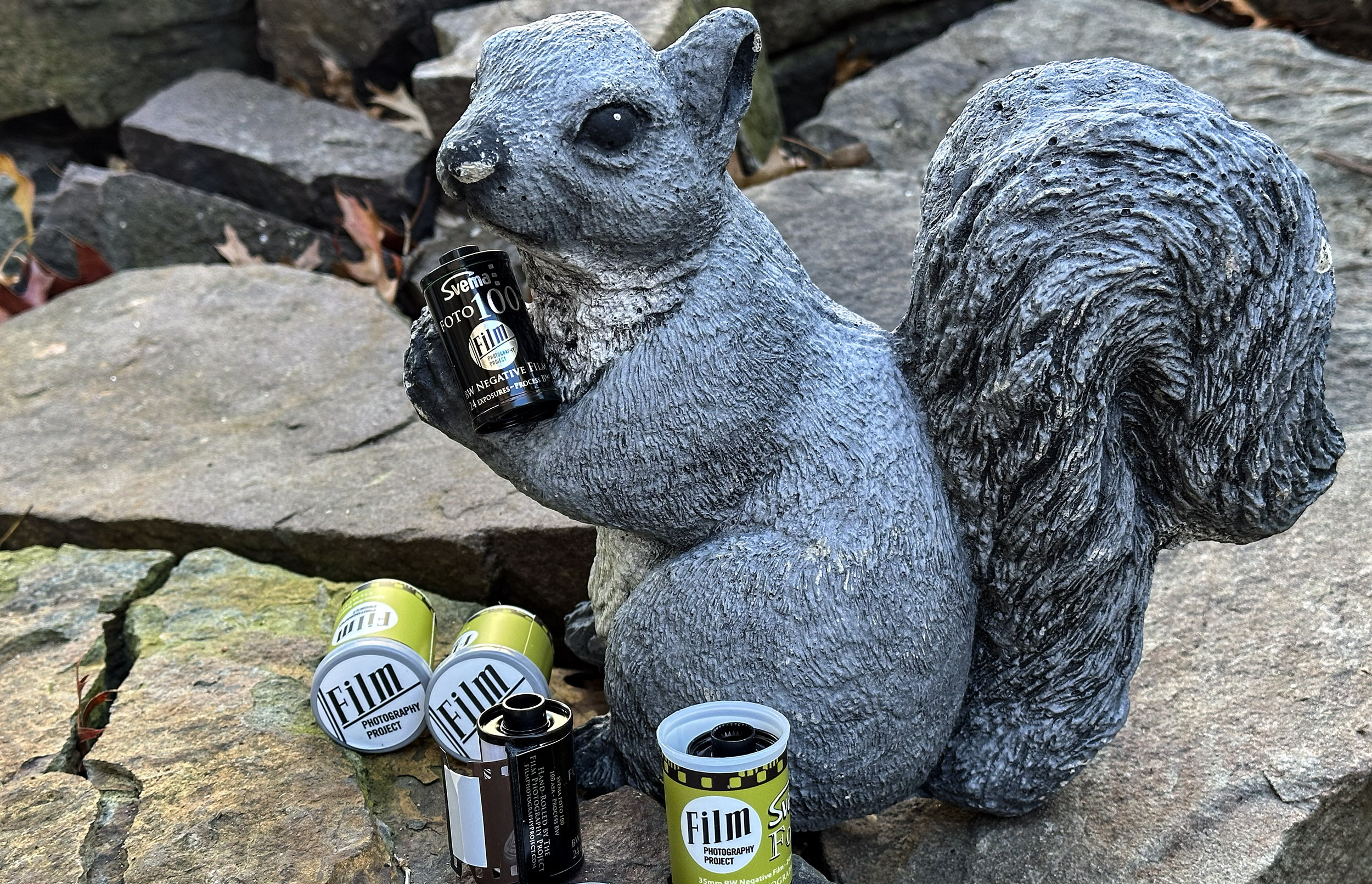
Svema Foto 100 is a fine-grained, medium-high-contrast panchromatic black-and-white negative film from Ukraine. I bought several rolls to try. My takeaway: this is quite a good film—a high-quality film, not an experimental budget film like some of the less mainstream “compromise” options. It has a distinctive tonality, with less blue and more red sensitivity than most panchromatic films, even extending into the near-infrared up to 750nm. It has good exposure latitude and retains plenty of shadow and highlight detail. It performs very well for general-purpose scenes and shines for portraiture and landscape, and its spectral response offers very real advantages. It’s well worth shooting for its own sake, and is an obvious choice for the tonality, detail, and contrast it delivers. If you want a film with good performance that looks different from the rest, this is one to consider. After using it I’m eager to shoot more of it, I can see it becoming a go-to choice in my bag, and I’m excited to try other Svema films.
Svema Foto 100 Overview
Svema Foto 100 is part of a “family” of Svema Foto films, which are distributed in the USA by The Film Photography Project, and available in three speeds in 35mm format. Quoting/paraphrasing from FPP’s product pages for each film, Svema Foto 100 is “low grain, low noise when scanned, near infrared sensitivity;”1 Svema Foto 200 is “a perfect medium-speed BW film, higher contrast, near infrared, sharp and fine-grained;”2 and Svema Foto 400 is “pleasing contrast with strong separation of greens and reds, works well indoors and out, excels in low lighting and landscapes.”3 Compare this to the Fomapan 100-200-400 or the Kentmere 100-200-400 families, and some similarities are evident. In all three cases these companies have created portfolios of films with family resemblance, but each film is distinctive and complementary, a valid choice for different reasons and not redundant to each other. I should point out that I haven’t yet tried Svema 200 or 400 at the time of writing, I’m just basing this off of available descriptions. (I am very familiar with Foma and Kentmere films).
If you want to learn about the history and exact situation of Svema there are better sources online, but briefly, Svema was the most important Soviet film factory, producing film in Ukraine since the 1930s. It went bankrupt in 2004, and it’s not clear to me exactly what happened to the factory building or equipment, and who’s now behind the Svema brand name, but someone has at least some of the equipment and is making and/or finishing Svema film. Reading online, I came across a number of references to Astrum and to stories about film produced some time ago under the Astrum and/or Svema names. I’m unsure if these are the same or even really very similar films to what’s being sold today, and I have a feeling a lot of discussions that contain the words “Svema” and “100” are about different film than I bought. Anyway, magic happens, film appears from the primeval void, and gets shipped in big rolls to Film Photography Project, who hand-rolls it into individual cassettes, ready for you and me to use. You can also buy 100-foot bulk rolls from FPP. And apparently, if you’re willing to search, you can find contact information to buy direct, in larger rolls and other formats besides 35mm, at economy prices. That is left as an exercise for the reader.
I bought three 24-exposure cassettes from FPP to try out. The cassettes are attractively packaged and DX-coded, but on closer inspection you will notice they are reused consumer cassettes with a thick foil label attached, hiding the original cassette underneath. I have no objections to this. In all likelihood, this results in higher quality cassettes than some of the bespoke cassettes I’ve found alternative/boutique films to be packaged in, with highly variable outcomes. Film cassettes seem to be surprisingly hard to make well and consistently, so reusing good quality ones makes sense to me.
That said, you should also know that these cassettes aren’t loaded by disassembling them and attaching the film to their spools in complete darkness, as I like to do. Instead, the Svema film is apparently loaded in a daylight bulk loader, taped (skillfully and neatly) to the snip of original film still attached to the spool. So you can advance and shoot past the allotted 24 frames, but you’re likely shooting on the portion of the film that’s been exposed to light during loading, and/or the tape joint itself. Pay attention to your frame counter if you want to avoid this. By the way, there are no edge markings or frame numbers exposed onto the film.
The other thing to know is that the film is on a transparent polyester base. As such, it can be subject to “light piping” and should be stored and handled in the dark as much as possible. I stored my rolls in light-tight containers, and loaded my cameras in indoor light. I had no problems with light piping, but I read some reviews online from people who didn’t take such precautions, and were disappointed to find quite a few frames ruined. If you like reversal processing, apparently Svema lends itself to that, although I haven’t tried it.
Sample Photos
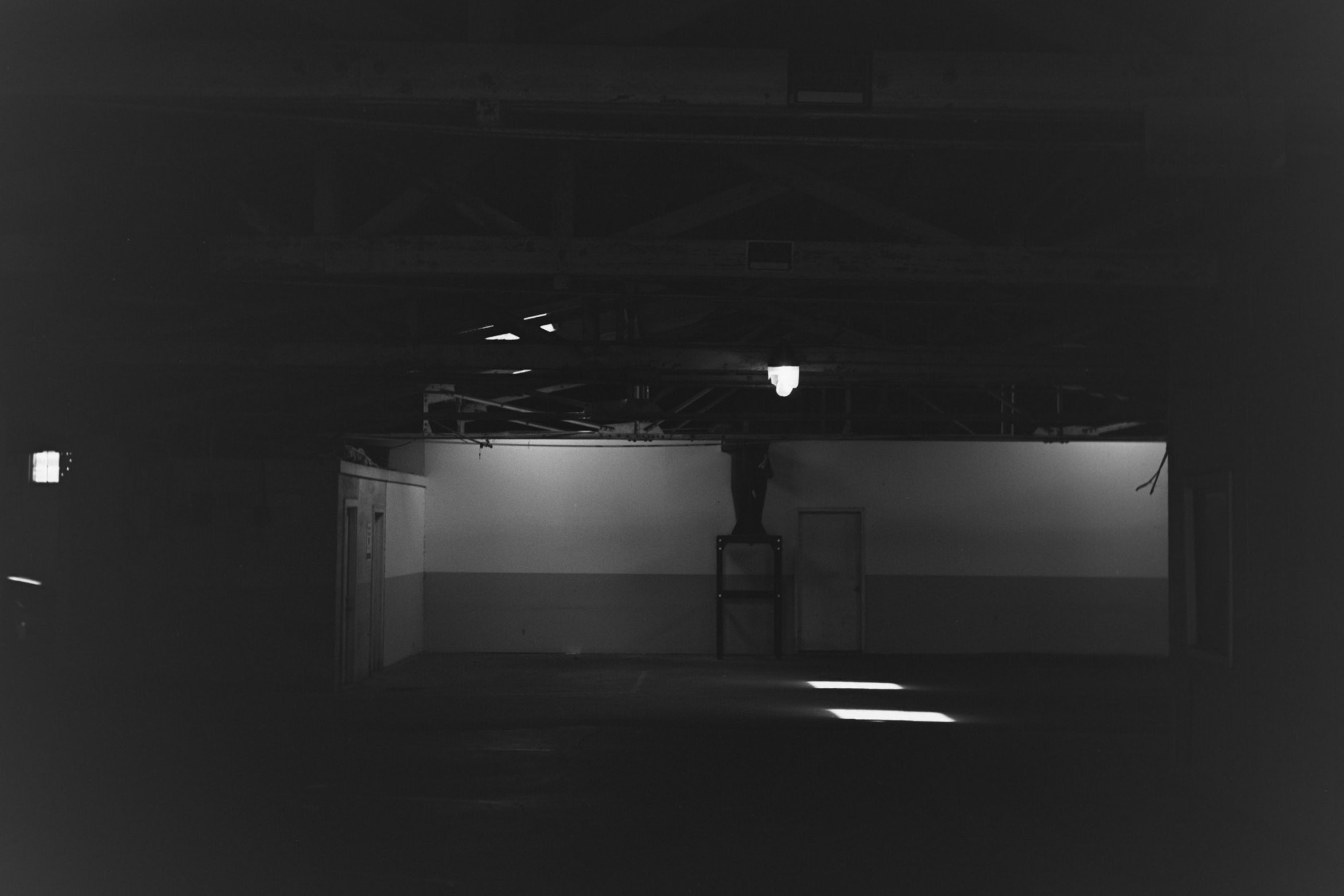
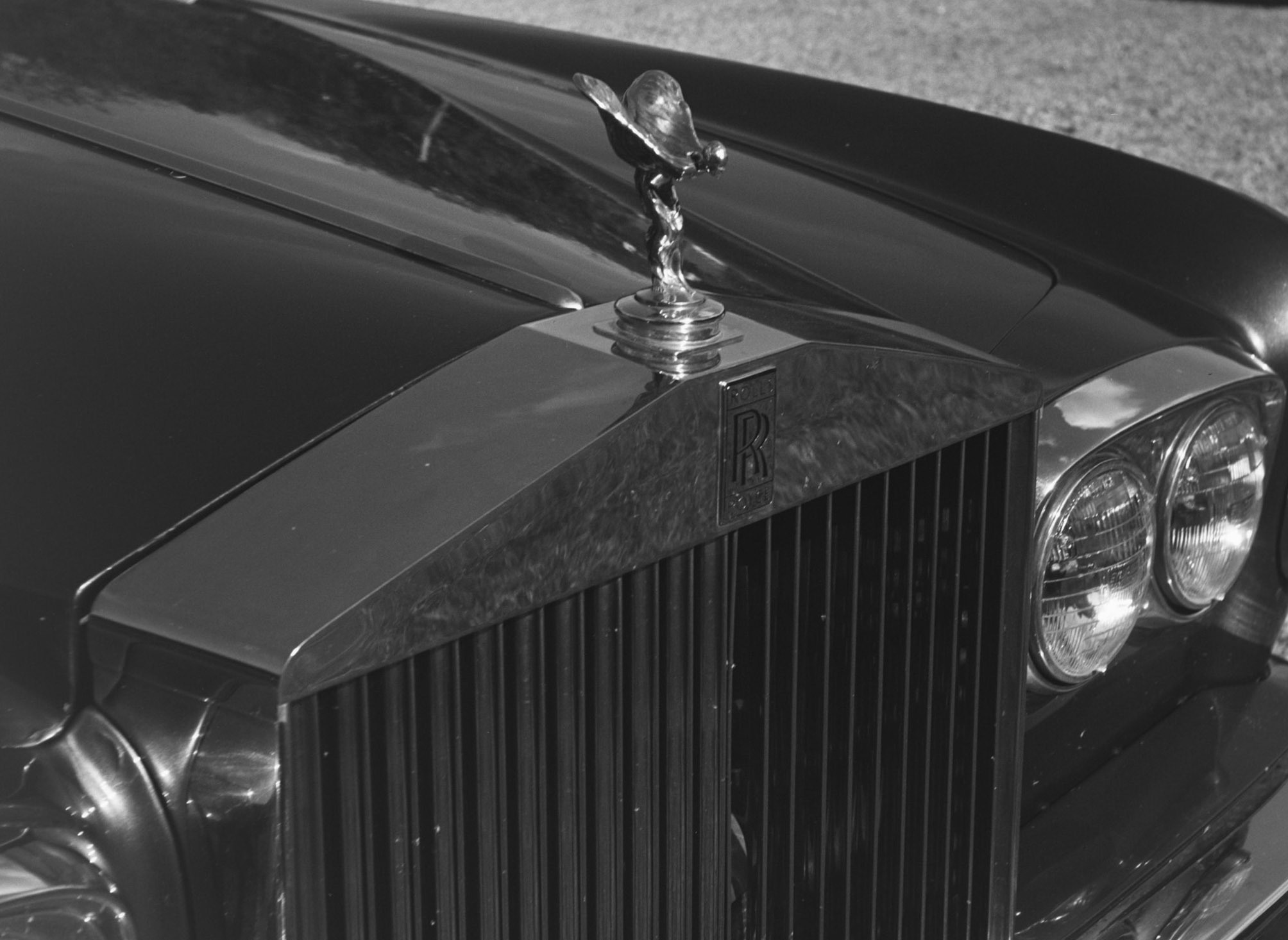
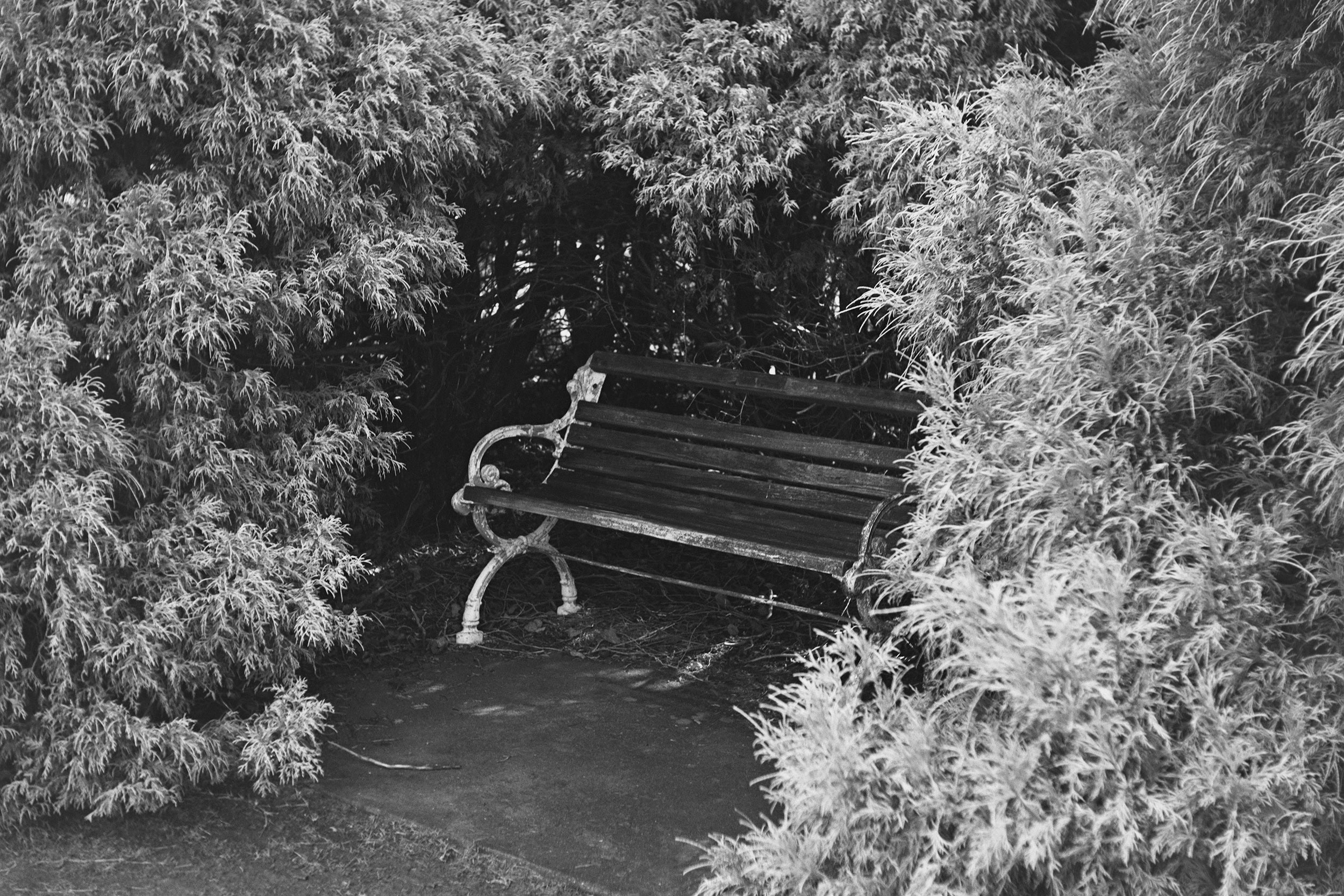
I ruined part of my first roll (more on that later), so I was able to shoot two rolls and a fraction of a third. I strove to shoot a variety of scenes across different lighting and exposure parameters, to get a sense for the full scope of the film’s behavior and characteristics. That said, there are lots of edge cases I didn’t get to explore, such as reciprocity failure. Here are some sample frames. All samples are simply inverted, with no levels/curves or other processing, but some are cropped.


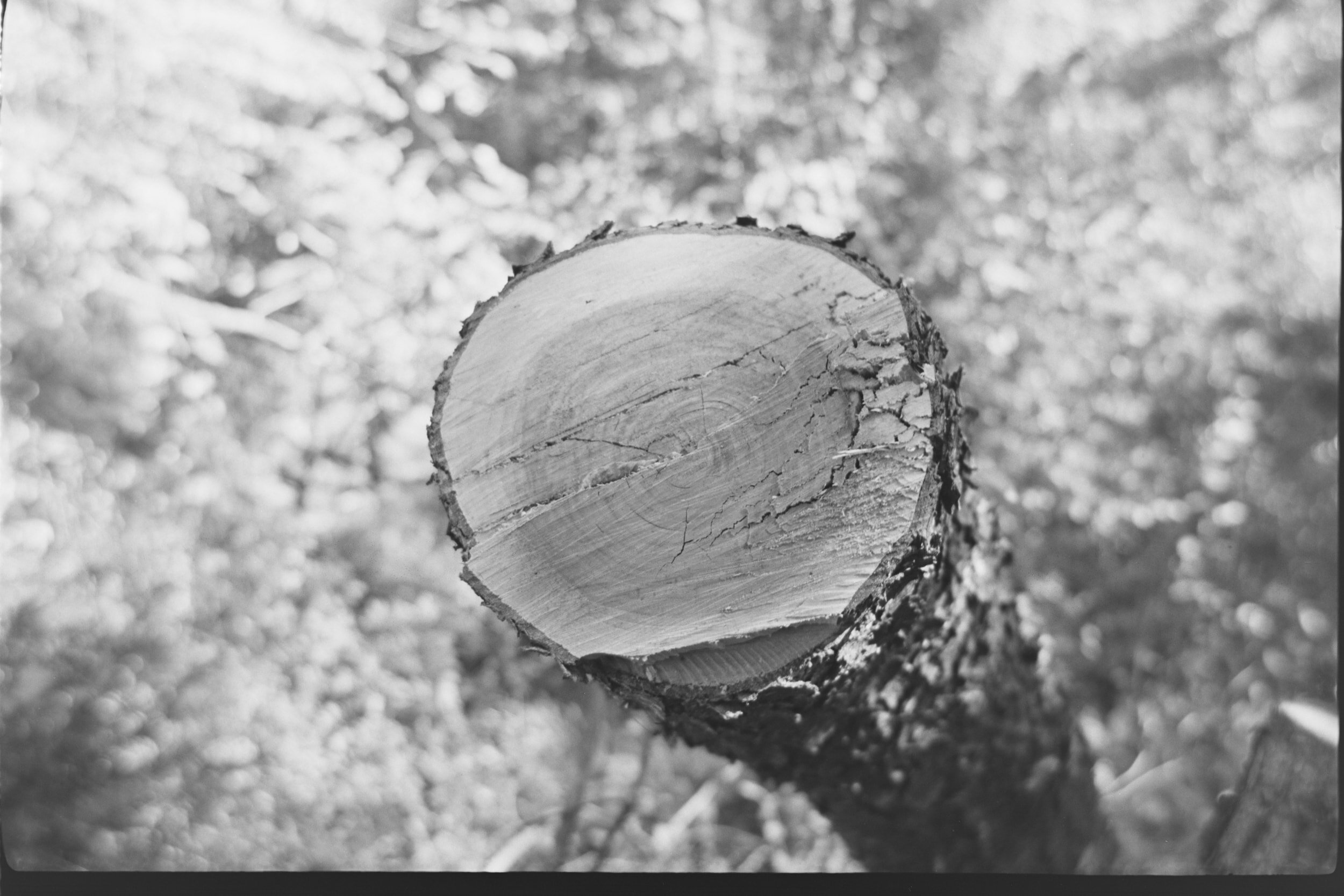
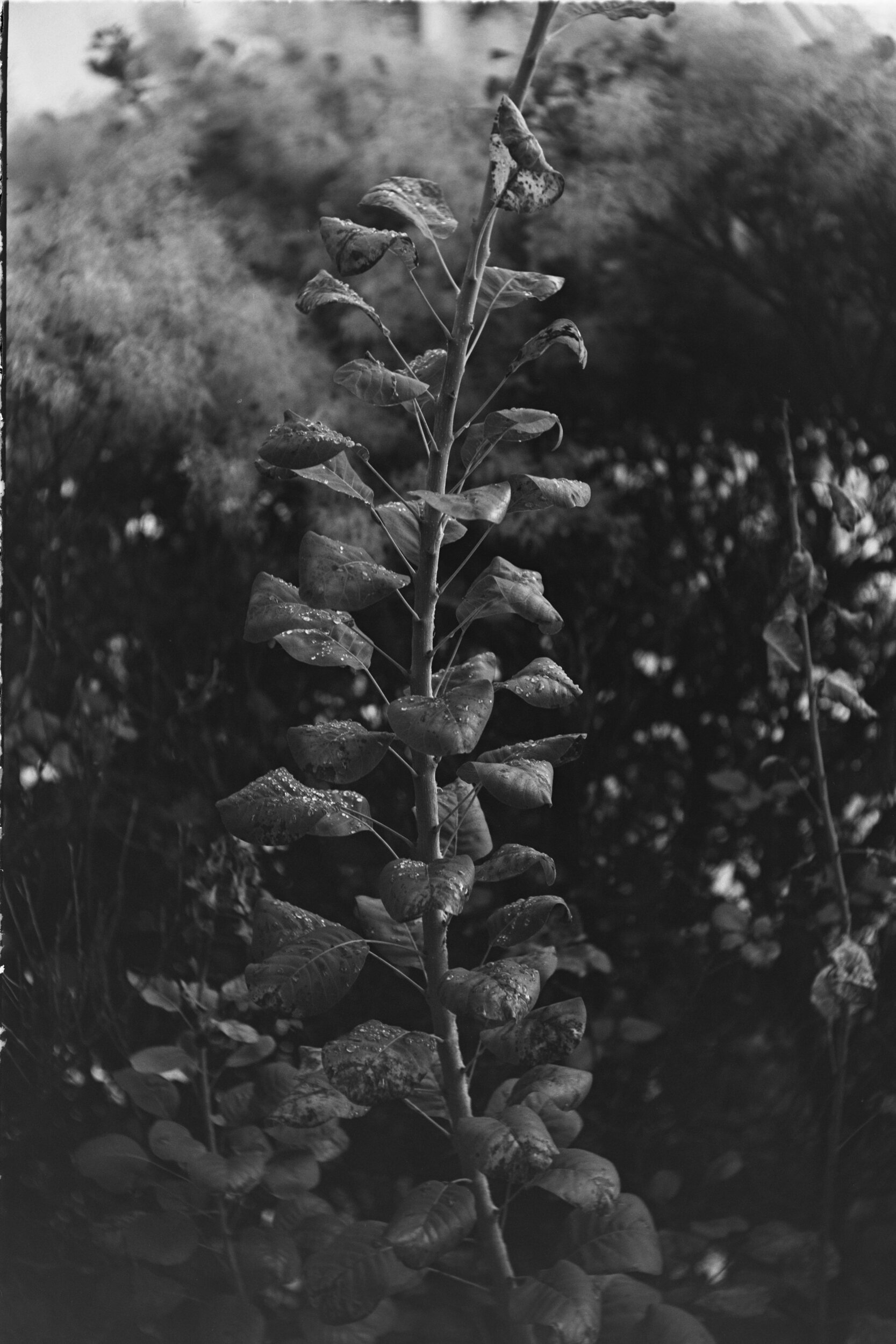
I also shot one of the rolls side-by-side with another film, Fomapan 200, that is more widely known and has some similarities in terms of spectral response and tonality. I wanted to strike a balance of similarity and familiarity, so you can see how Svema Foto 100 compares to a film you might know. I have always found Fomapan 200’s speed rating to be highly optimistic, so I rated it at ISO 100, thinking it would only be slightly overexposed since I think its true speed is closer to 125.
This isn’t a scientific comparison, since there are multiple variables to consider. I shot the Svema in an Argus C3 “Brick” camera with its 50mm f/3.5 Cintar, and the Fomapan 200 in a Kodak Pony 135 Model C with its 44mm f/3.5 Anaston lens. Both lenses are roughly similar triplets, but in my experience the Kodak’s has better coatings, leading to higher contrast and less flare. I developed the films together in the same tank at the same time.
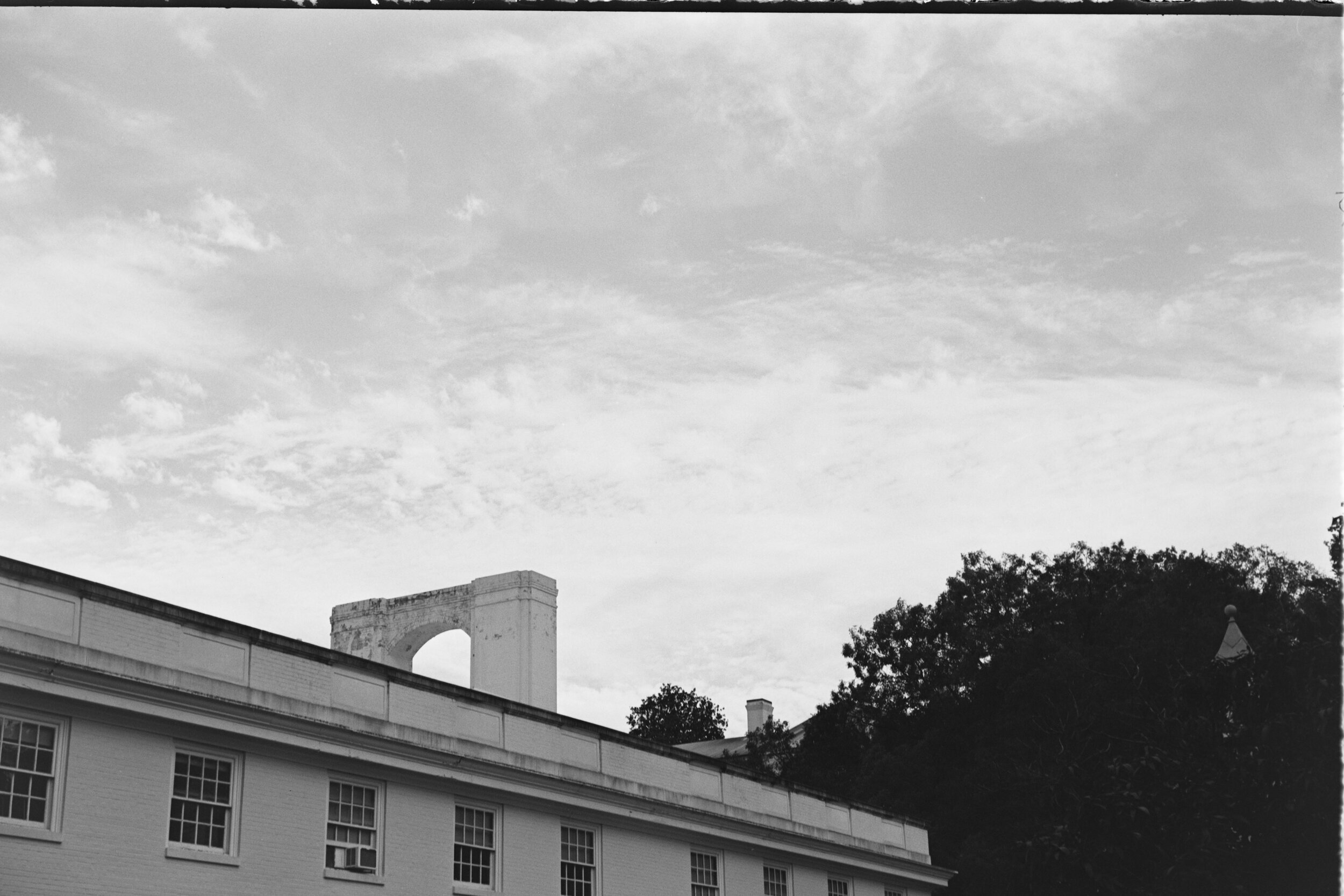
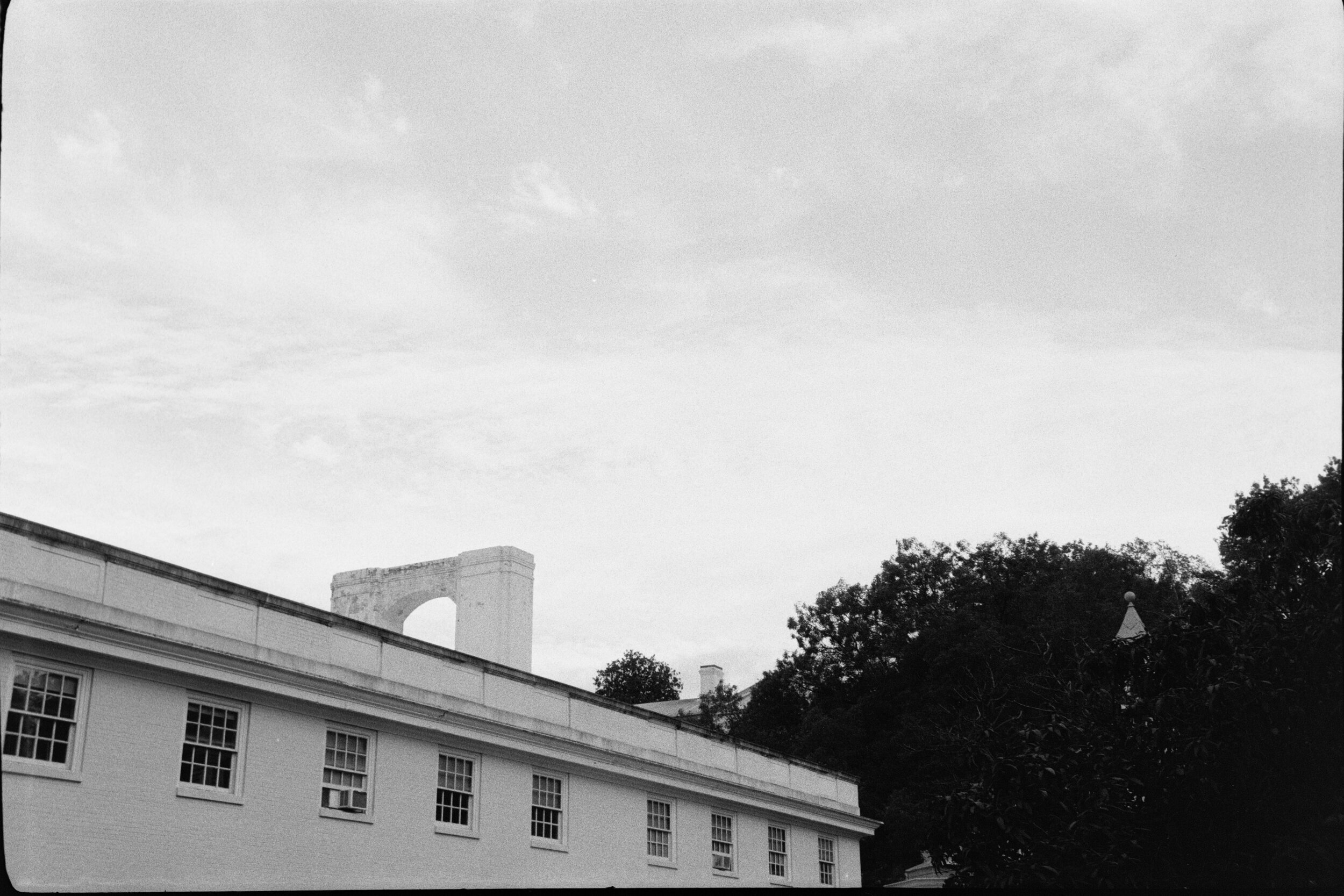
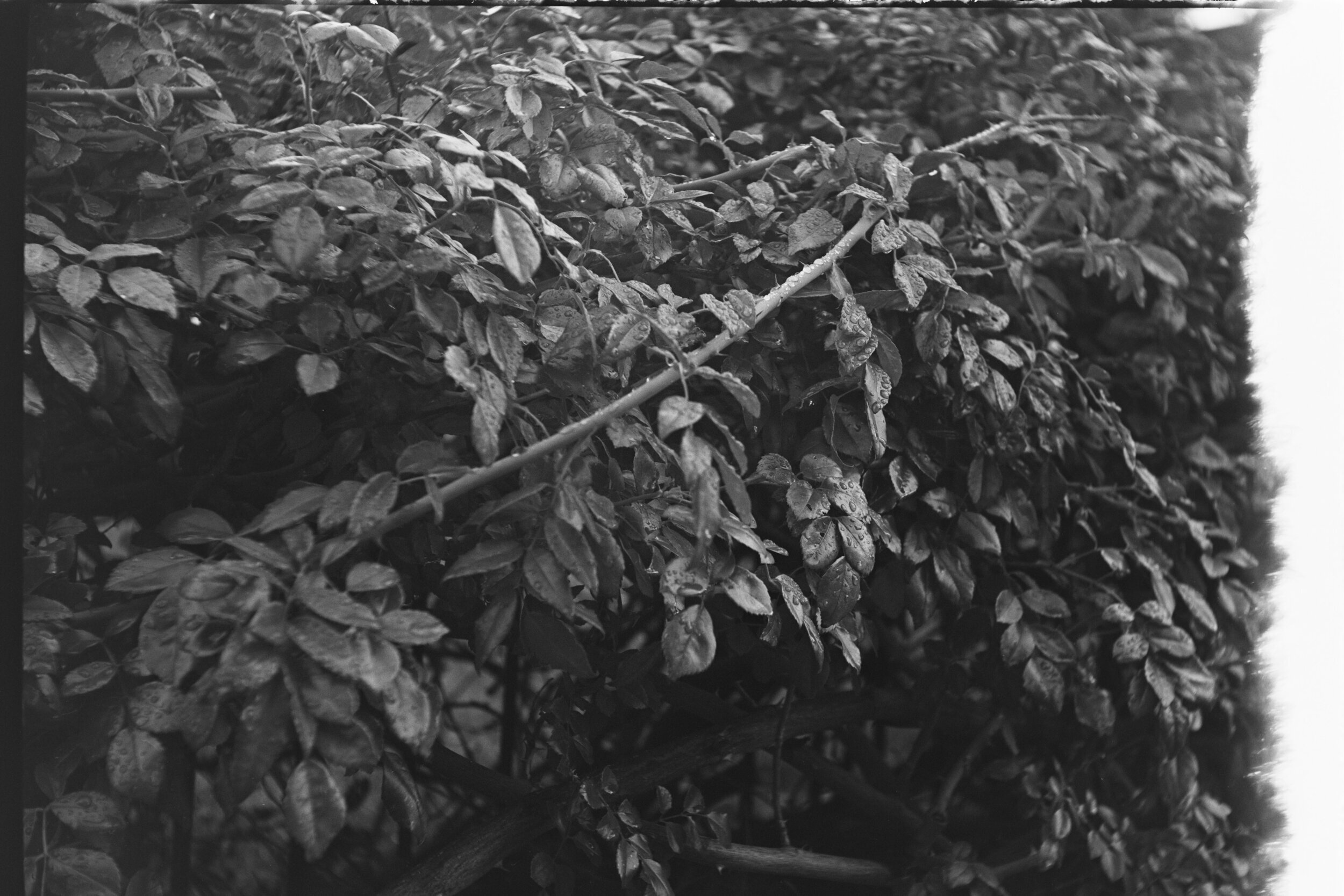
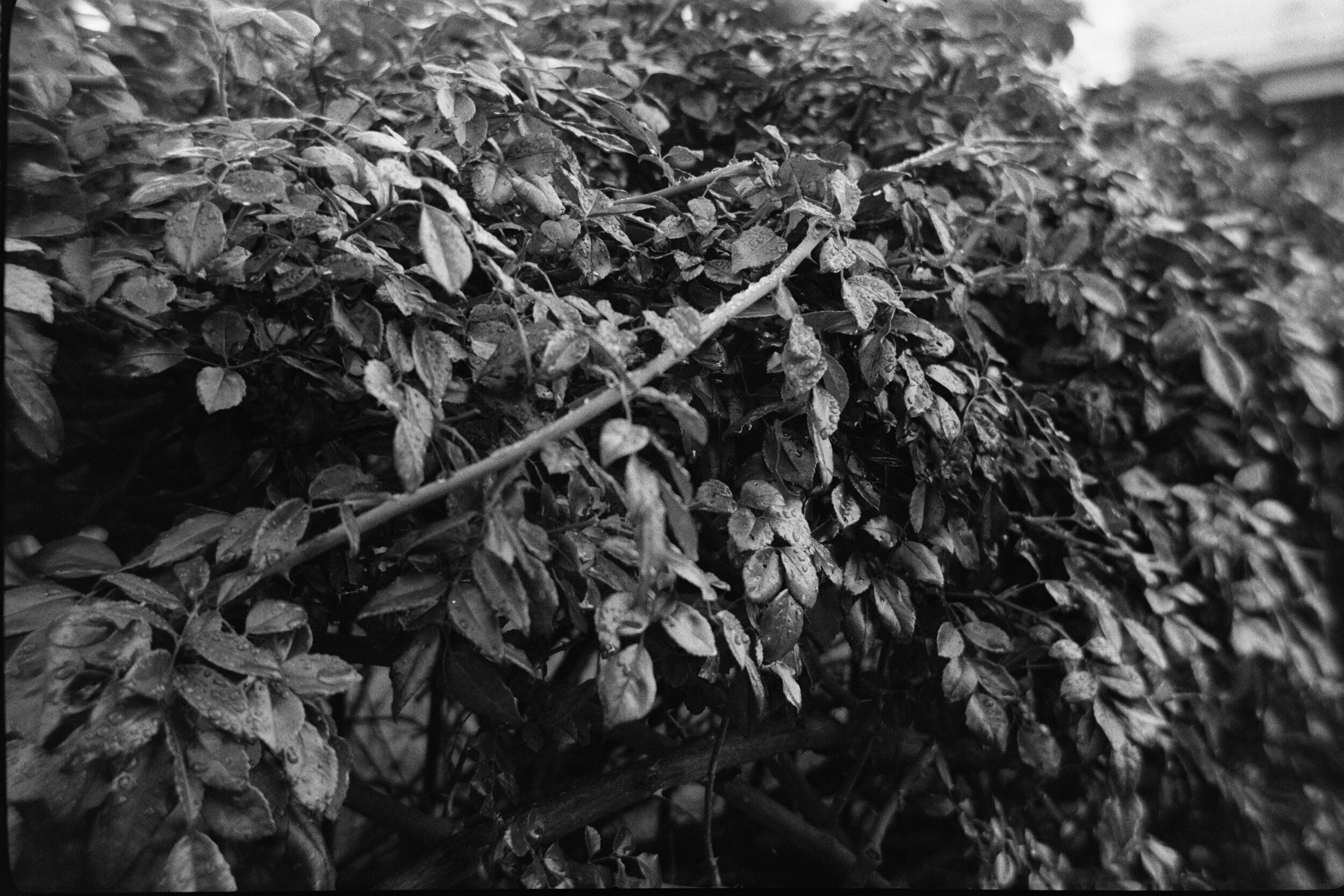
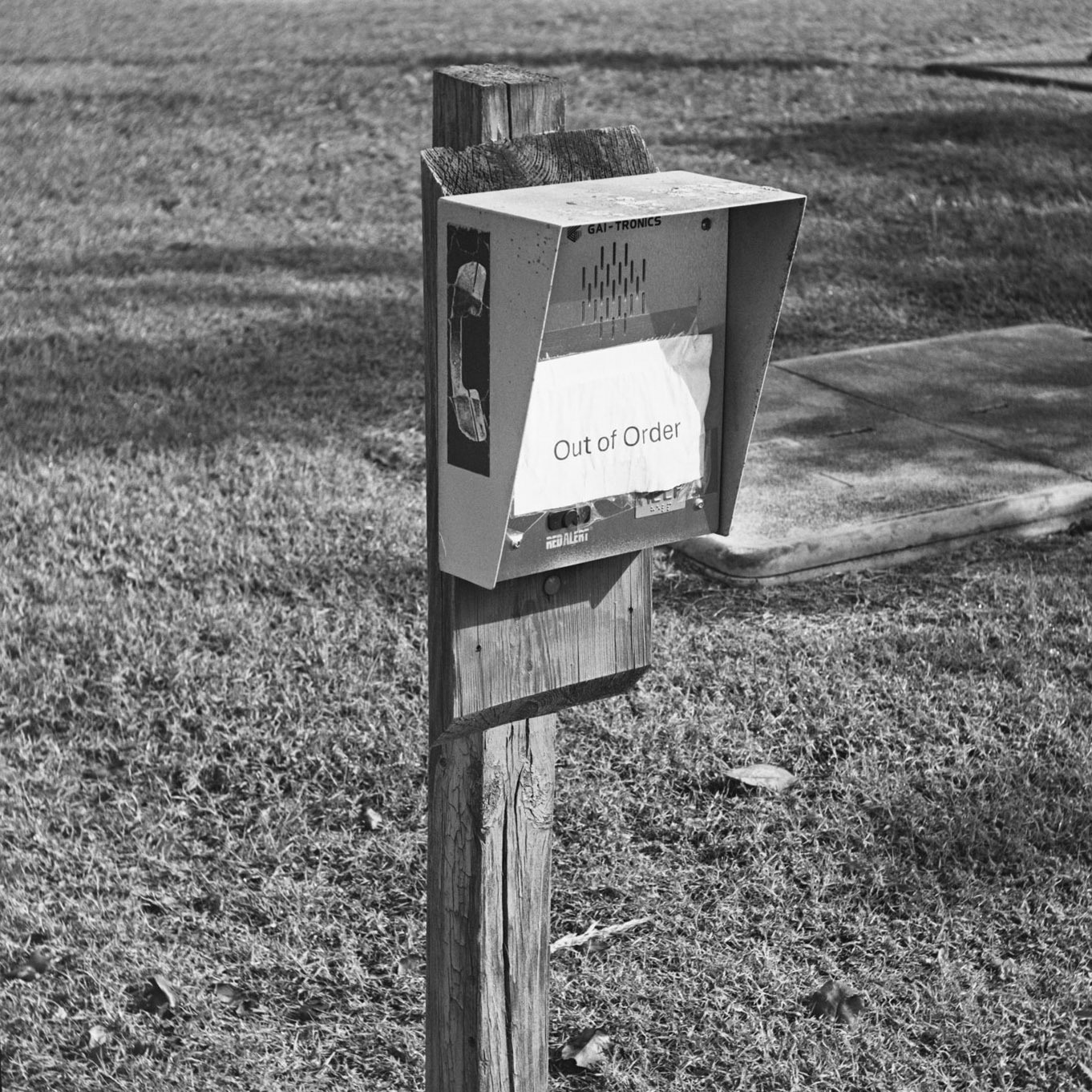
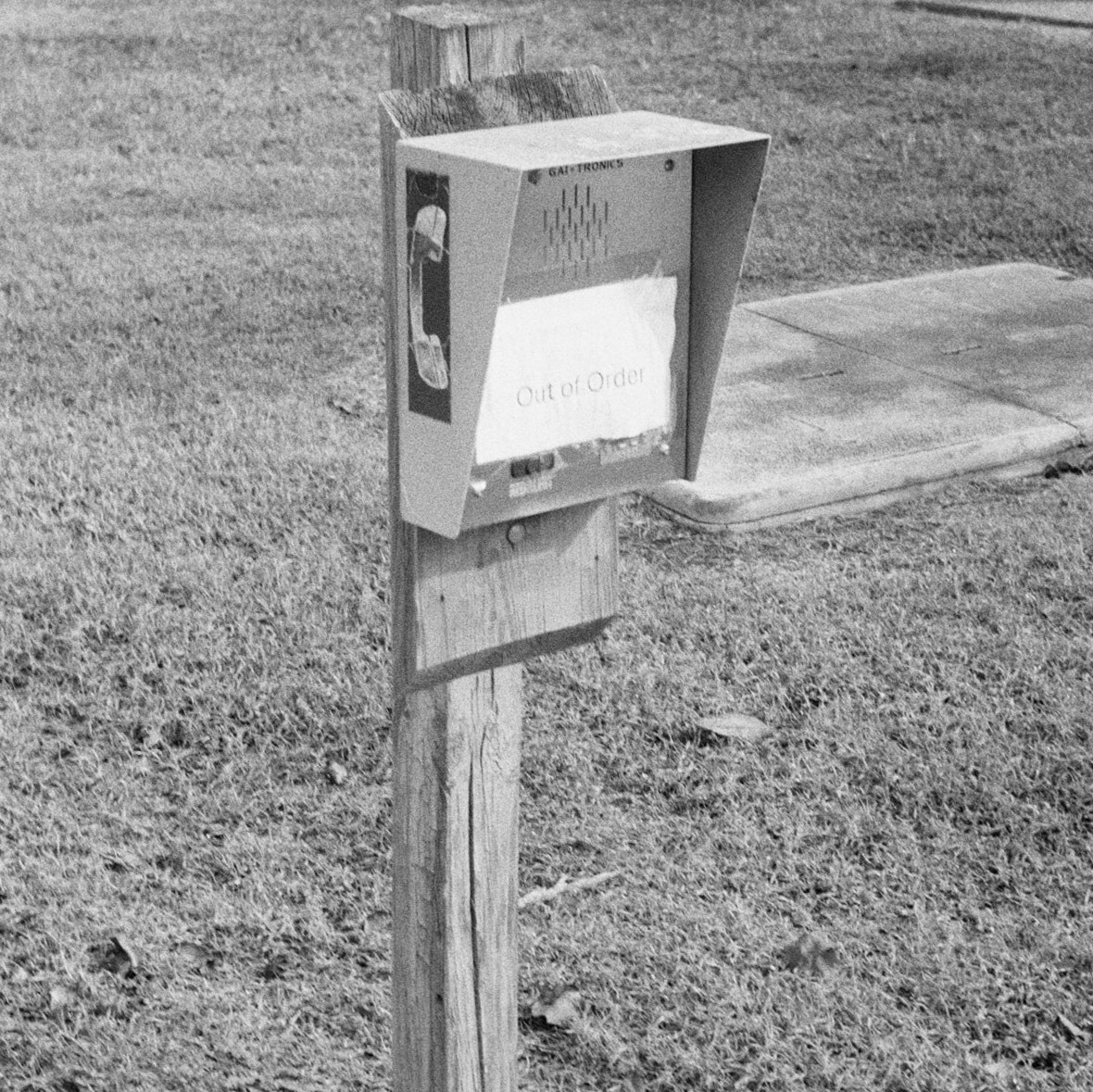

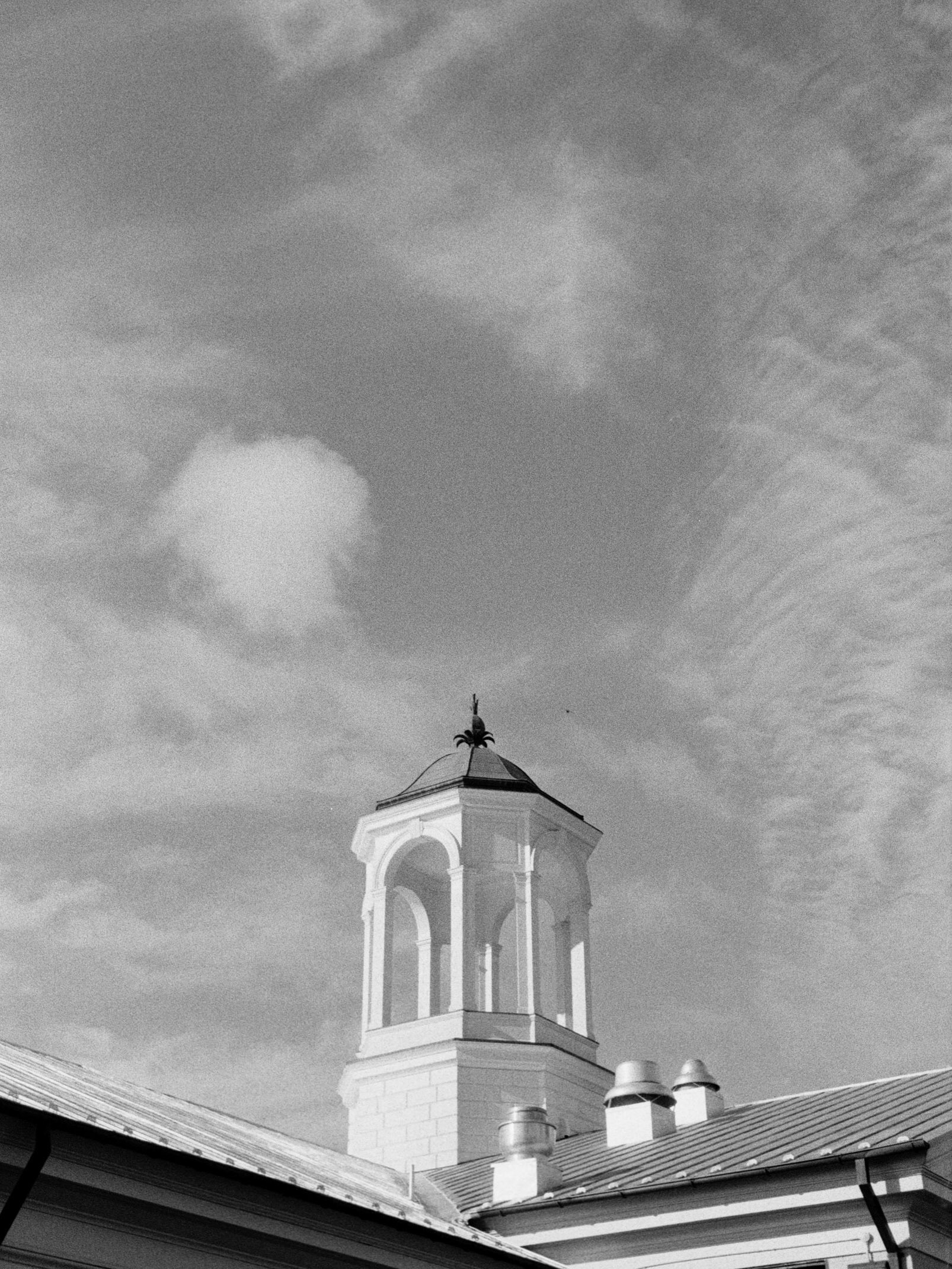
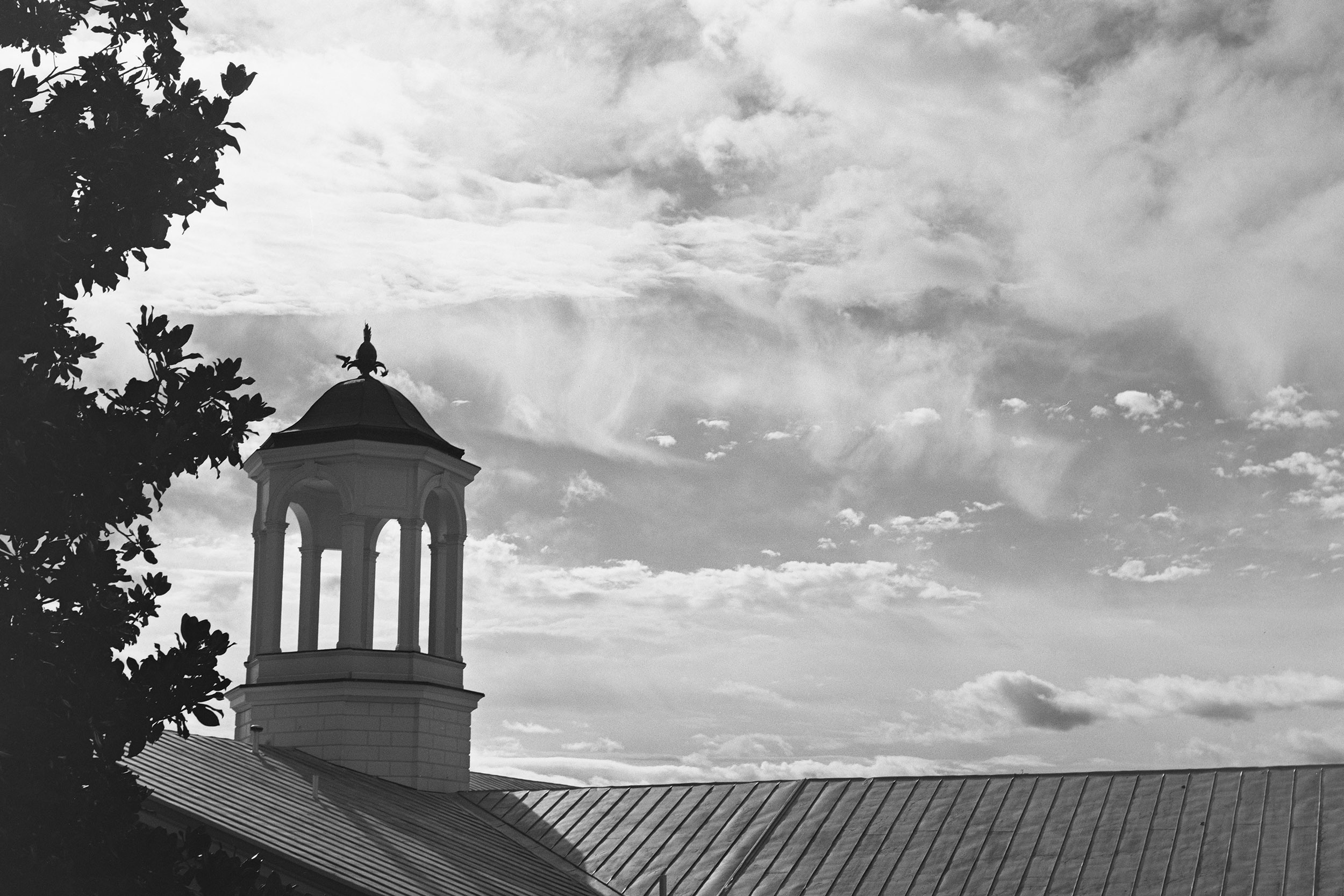
In a couple of cases I underexposed the Svema Foto 100 film, which creates a good opportunity to inspect its exposure latitude and shadow detail. I think the clear base really helps reveal detail in a clean way when scanning shadows and underexposed areas. I also badly overexposed a frame once, which helps illustrate its highlight detail. And the final frame here was exposed as I wanted—for the shadowed side of the cupola—but the clouds were intensely, eye-wateringly bright. Did Svema Foto 100 blow out the cloud detail? No, it did not. A lot of credit has to go to Caffenol CL for this result, but the film turns in an impressive performance here too.
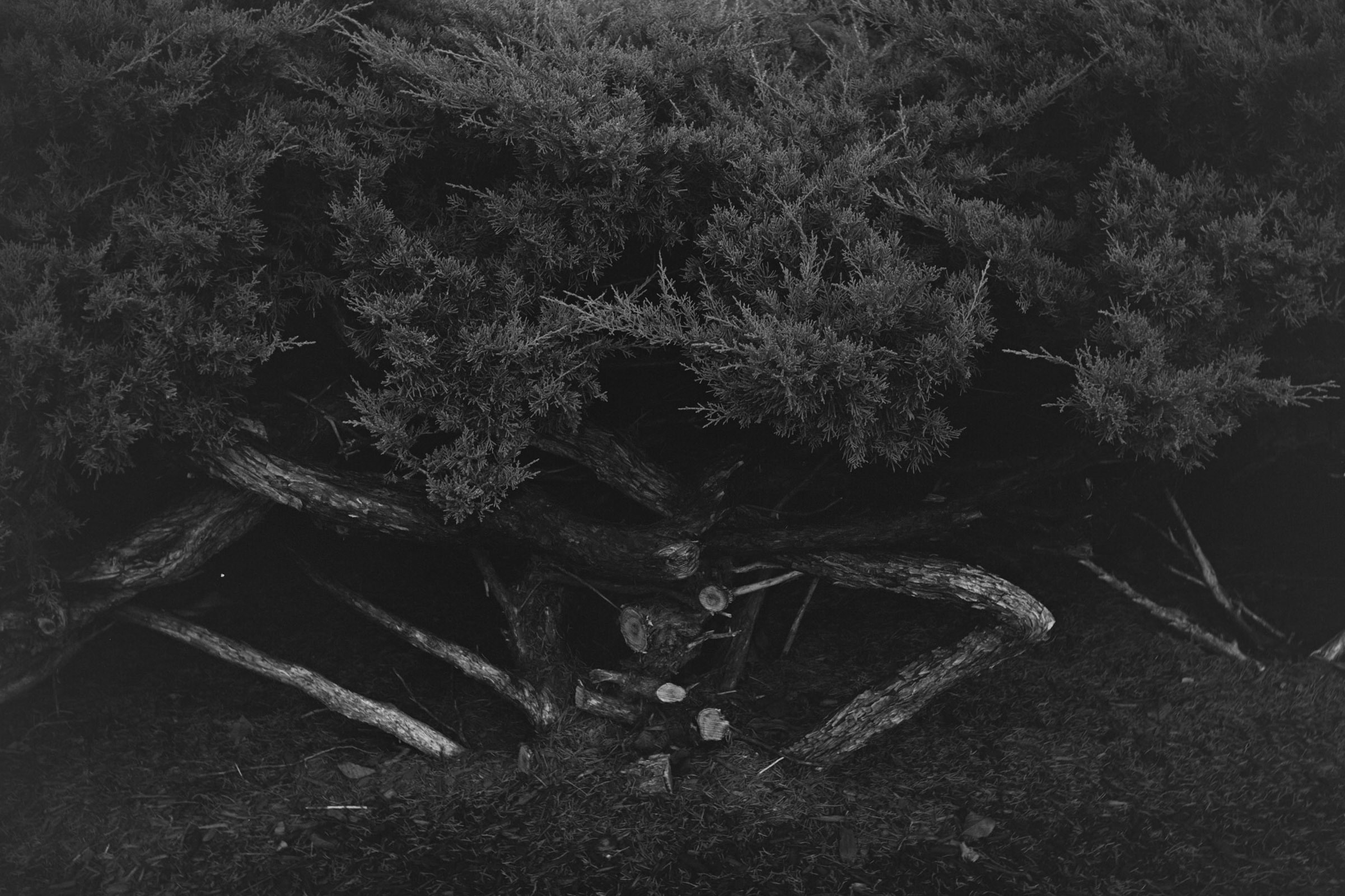
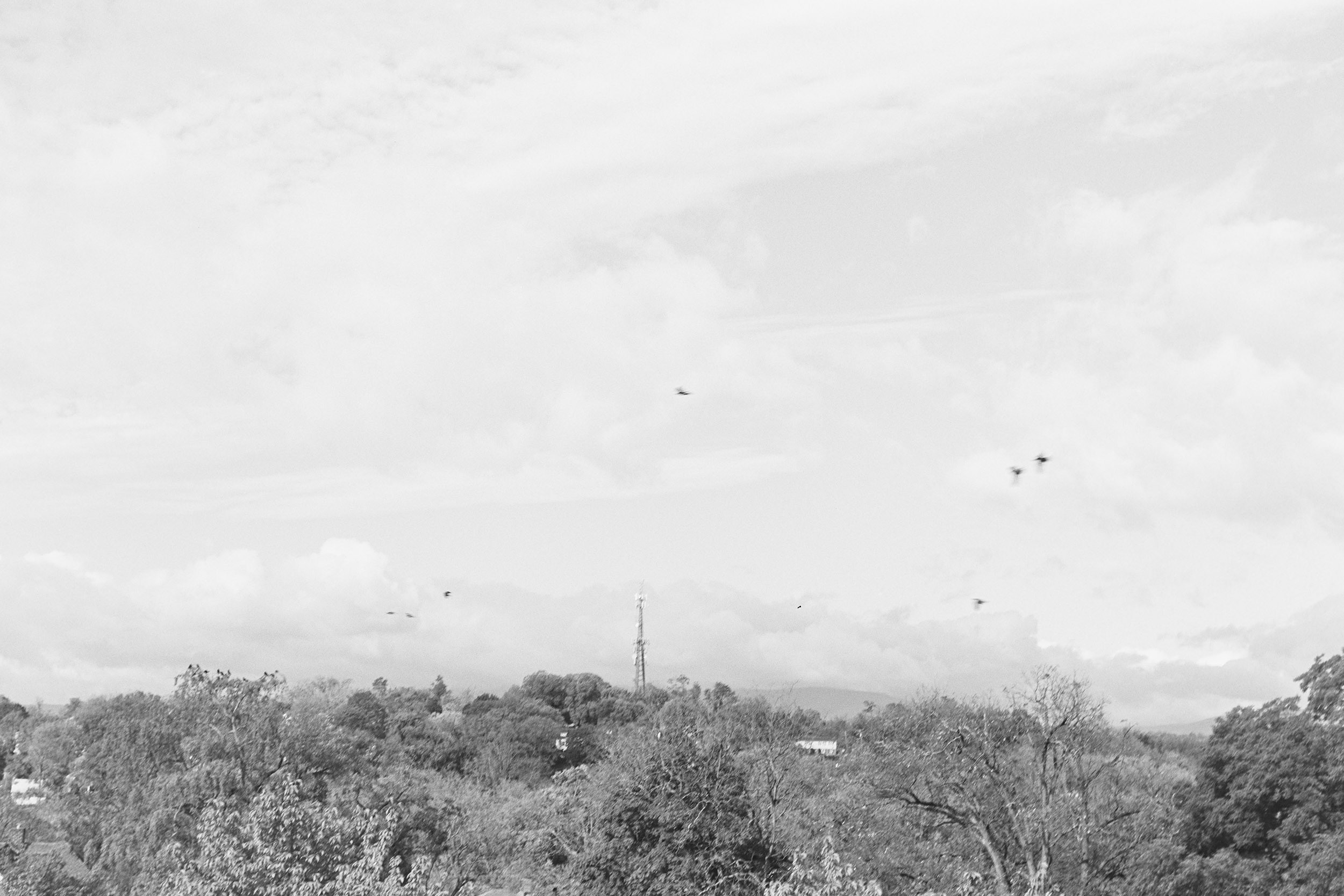
Here is a tight crop of one pair of Foma/Svema photos that will help illustrate the differences in how they handle highlights, shadows, and grain. I’m also including an example from Ilford FP4+ developed similarly and cropped to the same magnification.



I’d like to shoot Svema Foto 100 side-by-side with a more conventional panchromatic film like T-Max 100 or FP4+ and show you how it renders the same scenes. That’s a future project, though.
Development
According to the FPP website and other resources, Svema Foto 100 can generally be developed with pretty typical times in most common developers.4 My usual developer is Caffenol CL, and it’s been such a foolproof developer for so long that I got lazy and assumed it would work fine on Svema Foto 100, and didn’t do a snip-test. This was a mistake: the first (partial) roll I developed was almost completely clear, with only faint shading in the strongest highlights. I was really looking forward to some of the photos on that roll! Lesson learned.
It was obvious that the developer was way over-restrained, and although I mix my Caffenol CL with restrainer by default, it’s actually not necessary for 100 speed and slower films. I wised up and did some snip-tests, and found that omitting the restrainer resulted in normal development.
I have not tried other developers, but without restrainer, Caffenol CL produces fantastic results as usual.
My Opinion
Frankly I’m really impressed with this film. When I bought it, I thought it might be a pretty risky film with many of the problems I’ve observed in indie or alternative film stocks: questionable quality control, damaged negatives, intolerant of mistakes in exposure or development, etc. None of that has turned out to be the case. This is a good, possibly even great, film that handled all of my torture tests gracefully and produced great negatives. Here’s my opinion of various technical aspects:
- Grain: very fine-grained, as fine-grained as some 50-speed films I’ve used, yet still with very good sharpness.
- Contrast: medium to high.
- Latitude: excellent, with truly impressive detail retention in highlights and shadows.
- Tonality: distinctive and eye-catching, but not a novelty like some strongly orthochromatic or microfilms I’ve used.
- Halation: I expected halation around highlights given the PET base and light-piping warnings, but saw no evidence of it. By the way, my Argus C3 has a bright shiny film pressure plate; if any camera would cause extra problems with halation, the Argus C3 would, and it didn’t.
- Quality: the rolls I have shot and processed are beyond criticism, and the FPP rolling and packaging is perfectly fine, albeit less polished than factory-produced films.
- Speed Rating: I have not done formal testing, but I think this film is an honest 100 speed.
What’s much more appealing than even the technical aspects and specifications is the tonality that you get with this film out of the box. The spectral response is very interesting; without a filter, it already produces tonal separation between colors that comes pretty close to the way I like to use contrast filters. It’s lovely for landscapes, for example; a very tasteful look, helping bring out texture in foliage and skies without being overdone at all. Just look at the clouds in the photo of the cupola; the clouds that day were extremely fine-textured and detailed, and it comes through beautifully in Svema Foto 100, with every slight wisp visible but not exaggerated. And for many other usage scenarios such as portraiture, it gives a lovely glow to skin and smooths blemishes and wrinkles. People look ever so slightly radiant (also true of Fomapan 200, by the way). I don’t post photos of people on this website, but if you look in the references I’ll leave some links to places you can find portraits.
When I compare Svema Foto 100 to films that I consider to be my benchmarks, such as Ilford FP4+, I see it as a very solid choice. It has great tonality and texture, the grain is even finer than FP4+, and the sharpness is excellent. It also gives a built-in speed advantage. Keep in mind that contrast filters effectively reduce film speed by blocking a lot of the light that would otherwise reach the film. For example if I shoot Ilford HP5+ at ISO 400 with a deep green filter, I’m effectively reducing my light-gathering ability to well under ISO 100. Shooting unfiltered Svema 100 gives me fantastic tonality, detail, and very fine grain at box speed; if I shot HP5+ similarly I’d end up with big chunky grain and effectively lower speed. If I put a deep green filter on Kodak TMX, Ilford FP4+ or Pan F 50 Plus, my exposures would be that much slower.
When I compare this film to other films that have interesting tonality such as Fomapan 200, it’s a clear winner. Compared to Fomapan 200 specifically, feel free to review the side-by-side comparison shots above again, but to me it handles pretty much everything better. And I’ve had a lot of issues with Fomapan 200; it’s physically delicate and quality control is unpredictable. I think I’d only choose Fomapan 200 over this film if I really wanted chalk-and-soot tonality and grain that I could see across the room.
Frankly this could be my main film. It’s not cheap, but it’s less expensive than FP4+. My only hesitation in using this as my main film, and I’d want to evaluate this over some more rolls, is whether my sample of two rolls is too small to really get to know it well. I also really want to try this as an infrared film with something like an IR665 filter. I think I’ll order some more and do a few more tests. But I am excited with the results I’ve gotten and I want to shoot more of this film.
References
- The Darkroom has sample photos including portraits. Rating: contrast = 5/5, latitude 2/5, grain 2/5.
- Many people online reference Svema Foto 100 and Astrum 100 as interchangeable, as if one is simply a rebrand of the other. I am not sure that’s true, but wanted to mention it. You can find some lovely example photos on Astrum 100, such as this one on Flickr by paulbarden.